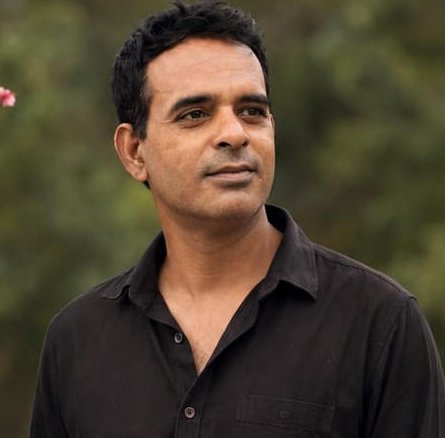
The Indian education sector is witnessing a monumental phase of restructuring and reform. Following key leadership changes, including Union Minister Pralhad Joshi taking charge of the Ministry of Education, the government is prioritizing the integrity of competitive entrance exams and streamlining national admission processes. With lakhs of students participating in high-stakes exams annually, the Ministry of Education has announced enhanced regulatory guidelines to ensure fair play, secure digital infrastructures, and simplified procedures for students nationwide.
This detailed guide provides an in-depth look at the newly proposed reforms, structural changes in national-level admissions, safety protocols for upcoming examinations, and steps students should take to stay updated with official announcements.
Ministry of Education Exam & Admission Policy Overview
To help students and parents quickly grasp the key elements of the recent administrative changes and policy updates, we have compiled an overview table below:
| Organization Name | Ministry of Education, Government of India |
|---|---|
| Portfolios Covered | School Education, Higher Education, and National Admissions |
| New Union Minister | Shri Pralhad Joshi |
| Focus Areas | Exam Security, Transparent Admissions, NEET/NET Restructuring |
| Application/Registration Mode | Online (via designated portal links like NTA) |
| Official Website | education.gov.in |
Details of Admission & Exam Policy Reforms
Under the new leadership, the Ministry of Education is addressing the challenges faced by student communities during national-level entrance examinations. The focus has shifted toward building a robust system that prevents technical glitches, eliminates paper leaks, and provides a transparent environment for admissions into premium institutions across India. A specialized high-level committee of experts has been mobilized to suggest effective administrative overhauls for the National Testing Agency (NTA).
Key focus areas include the implementation of advanced biometric verification, secure encrypted question paper delivery systems, and real-time monitoring of examination centers using artificial intelligence tools. These reforms aim to restore confidence among the youth and protect the academic interests of genuine aspirants.
Facility and Support Systems for Students
To ensure a stress-free academic environment, the Ministry of Education has introduced several support systems for candidates preparing for admissions:
- National Toll-Free Grievance Helpline: A dedicated 24/7 helpline setup to address students’ queries regarding exam registrations, centers, and admission counseling.
- Regional Counseling Centers: Enhanced setup of localized counseling desks to help students from rural backgrounds navigate the online seat allocation processes.
- Mental Health Support (Manodarpan): Strengthening psychological support services to help students manage exam-related stress and anxiety effectively.
- Free Online Mock Test Portals: Access to high-quality prep materials and simulated exam environments directly through government portals.
Eligibility Criteria for National Admissions
While specific eligibility criteria depend on the individual entrance examinations (such as JEE, NEET, CUET), the Ministry has laid down general baseline parameters for institutional admissions:
1. Geographic Location & Reservation Quota
Admissions follow the standardized reservation policies of the Government of India, including allocations for Scheduled Castes (SC), Scheduled Tribes (ST), Other Backward Classes (OBC-NCL), Economically Weaker Sections (EWS), and Persons with Disabilities (PwD). State-level quotas continue to apply for state-run colleges under the 85% state quota rules.
2. Age Limit Requirements
Age criteria vary depending on the course. For undergraduate professional courses, candidate age limits are set in alignment with regulatory bodies like the National Medical Commission (NMC) and the All India Council for Technical Education (AICTE).
3. Educational Qualification
Applicants must have successfully completed or be appearing in their Class 12 (or equivalent) board examinations from a recognized central or state board. Minimum aggregate marks requirements (typically ranging from 50% to 60% for unreserved categories) must be met in the respective stream subjects.
Selection Test Details & Security Upgrades
The Ministry has mandated a set of standardized protocols for all forthcoming entrance tests. These upgrades are designed to make tests highly resilient against cyber threats and physical manipulation:
- CBT Mode Audits: Comprehensive third-party security audits of all Computer-Based Test (CBT) centers before exam dates.
- Jammers and CCTV Surrounds: Mandatory deployment of signal jammers and continuous CCTV live-streaming from every exam hall to a central monitoring command center.
- Double-Layer Verification: Mandatory physical Aadhaar-based biometric verification of candidates at entry points and during the examination.
How to Register for Admissions & Entrance Exams
Candidates must follow a systematic process to register for examinations and subsequent centralized admission counseling. Below is the step-by-step procedure:
- Navigate to the official portal of the respective testing authority (e.g., NTA or designated counseling boards).
- Click on the “New Registration” link and enter basic personal details, contact number, and email ID to generate a unique login ID.
- Log in using your credentials and fill out the detailed application form, ensuring all academic records match your official documents.
- Upload scanned copies of required documents, including recent photographs, signatures, and category certificates, in the specified formats.
- Pay the prescribed application fee through secure online payment gateways (Net Banking, UPI, Debit/Credit Card).
- Review all filled-in details on the preview screen, submit the form, and download the confirmation page for future reference.
Important Dates for Academic Session 2024-25
Students must keep track of the academic calendar to avoid missing crucial deadlines. Below is the tentative timeline for upcoming administrative and admission cycles:
| Activity / Event | Tentative Schedule |
|---|---|
| Release of Revised Exam Calendars | To be announced soon |
| Commencement of Registration Portals | Refer to individual exam sites |
| Admit Card Release Date | Usually 7 to 10 days before the exam |
| Examination Phase | Scheduled throughout the academic session |
| Result Declaration & Score Cards | Within 3-4 weeks post-examination |
Frequently Asked Questions (FAQs)
Who is the current Education Minister of India?
Shri Pralhad Joshi is the newly appointed Union Minister of Education, taking charge of key academic and administrative portfolios.
What are the primary reforms being introduced for national exams?
The reforms focus on securing examination centers, integrating AI-driven monitoring systems, conducting rigorous audits of computer-based testing centers, and enhancing student support helplines.
Where can I apply for national-level entrance examinations?
Candidates can apply through the official portals of the respective testing agencies, such as the National Testing Agency (NTA) or counseling boards, links to which are provided on the official Ministry of Education website.
Is there any change to the reservation policy for admissions?
No, the standard reservation policies set by the Government of India for SC, ST, OBC, EWS, and PwD categories remain active and unchanged across national admissions.
Important Links & Web Links
| Important Web Links | Link |
|---|---|
| Online Admission / Application Portal | Apply Online Here |
| Official Website | ed.gov |