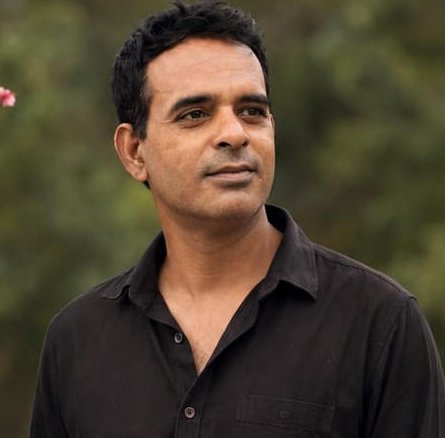
In a major landmark observation, the Supreme Court of India has strongly defended the citizens’ fundamental right to protest. A bench headed by Chief Justice of India (CJI) Surya Kant declared that peaceful protests are constitutionally protected under the democratic framework of India. The Apex Court categorically stated that police authorities cannot resort to violent measures like a lathi-charge simply because there is an ongoing agitation or public gathering.
This critical observation came during the hearing of a petition concerning police excesses during the recent NEET student protests. The court has fixed a detailed hearing on the matter for July 28 to address the allegations of police brutality. Here, we outline the key highlights of the Supreme Court’s strong remarks, the constitutional context of peaceful assembly, and the legal recourse available to citizens.
Supreme Court Ruling on Peaceful Protests – Key Details
To understand the scope of this historic ruling, let us look at the administrative and judicial overview of the case currently before the Supreme Court of India.
| Aspect | Details |
|---|---|
| Apex Judicial Body | Supreme Court of India |
| Presiding Bench | Bench headed by CJI Surya Kant |
| Core Issue | Police excesses and lathi-charge during peaceful NEET student protests |
| Constitutional Provision | Article 19(1)(b) – Right to assemble peaceably and without arms |
| Next Hearing Date | July 28, 2024 |
| Official Website | sci.gov.in |
Details of the Admission & Rights Context
The issue originated from massive student agitations regarding irregularities in national-level competitive entrance examinations. As thousands of students and educational aspirants took to the streets to demand fair admission processes, police forces in several states, including Bihar, resorted to physical force. This led to multiple petitions being filed in the Supreme Court, including one by RJD MP Manoj Jha seeking the registration of FIRs against police officers who ordered or executed force against peaceful student demonstrators.
Constitutional Rights of Indian Citizens During Protests
Under the Constitution of India, citizens are guaranteed several fundamental rights that safeguard their freedom to express dissatisfaction with state policies or academic administration. The Supreme Court highlighted the following criteria regarding public protests:
- Article 19(1)(a): Guarantees freedom of speech and expression, which includes the right to voice dissent.
- Article 19(1)(b): Protects the right to assemble peaceably and without arms.
- Proportionality of Force: State police forces must follow strict protocols. Force or lathi-charge is a measure of absolute last resort, only applicable when there is an immediate, clear threat to public life or property.
- Academic Integrity: The court observed that students demanding transparency in national examinations are exercising their democratic right to protect their educational future.
Selection Test & Examination Protests Background
The protests primarily erupted following widespread concerns over national admission and selection tests. Candidates who had worked hard for years felt the system was compromised. When they gathered to express their grievances, they were met with state resistance. The Supreme Court’s intervention serves as a major relief, establishing that state machinery cannot silence students’ voices when they demand fairness in selection and admission processes.
How to Track the Case Progress and Official Orders
Students, legal professionals, and the general public can keep track of the official orders issued by the Supreme Court of India regarding this case. Follow these steps to access official records:
- Go to the official website of the Supreme Court of India (sci.gov.in).
- Navigate to the “Case Status” or “Daily Orders” tab on the homepage.
- Search for the case using the petitioner name (e.g., Manoj Jha) or the keyword “NEET Protest Police Excesses”.
- Select the relevant case record to view the order details.
- Click on the PDF icon to download the official court order for your reference.
Important Dates and Upcoming Hearings
The legal proceedings surrounding the right to protest and the investigation into police actions are highly time-sensitive. Below are the key dates to keep in mind:
- Filing of Petitions: June/July 2024
- Supreme Court Observation Date: Ongoing (July 2024)
- Next Crucial Hearing on Police Excesses: July 28, 2024
Frequently Asked Questions (FAQs)
1. What did CJI Surya Kant say about peaceful protests?
CJI Surya Kant stated that peaceful protests are constitutionally protected. He emphasized that the police cannot resort to a lathi-charge simply because there is an active agitation or gathering.
2. Under which article is the right to peaceful protest protected in India?
The right to protest is primarily protected under Article 19(1)(a) (Freedom of Speech and Expression) and Article 19(1)(b) (Right to assemble peaceably and without arms) of the Constitution of India.
3. Why did the Supreme Court take up this matter?
The Supreme Court took up the matter following petitions highlighting police excesses, including lathi-charges and violence against students protesting irregularities in national competitive exams.
4. When is the next hearing on police action during these protests?
The Supreme Court has scheduled the next comprehensive hearing on the police actions and allegations of excessive force for July 28, 2024.
Important Links & Web Links
| Important Web Links | Link |
|---|---|
| Online Admission / Application Portal | Apply Online Here |
| Official Website | sci.gov.in |